
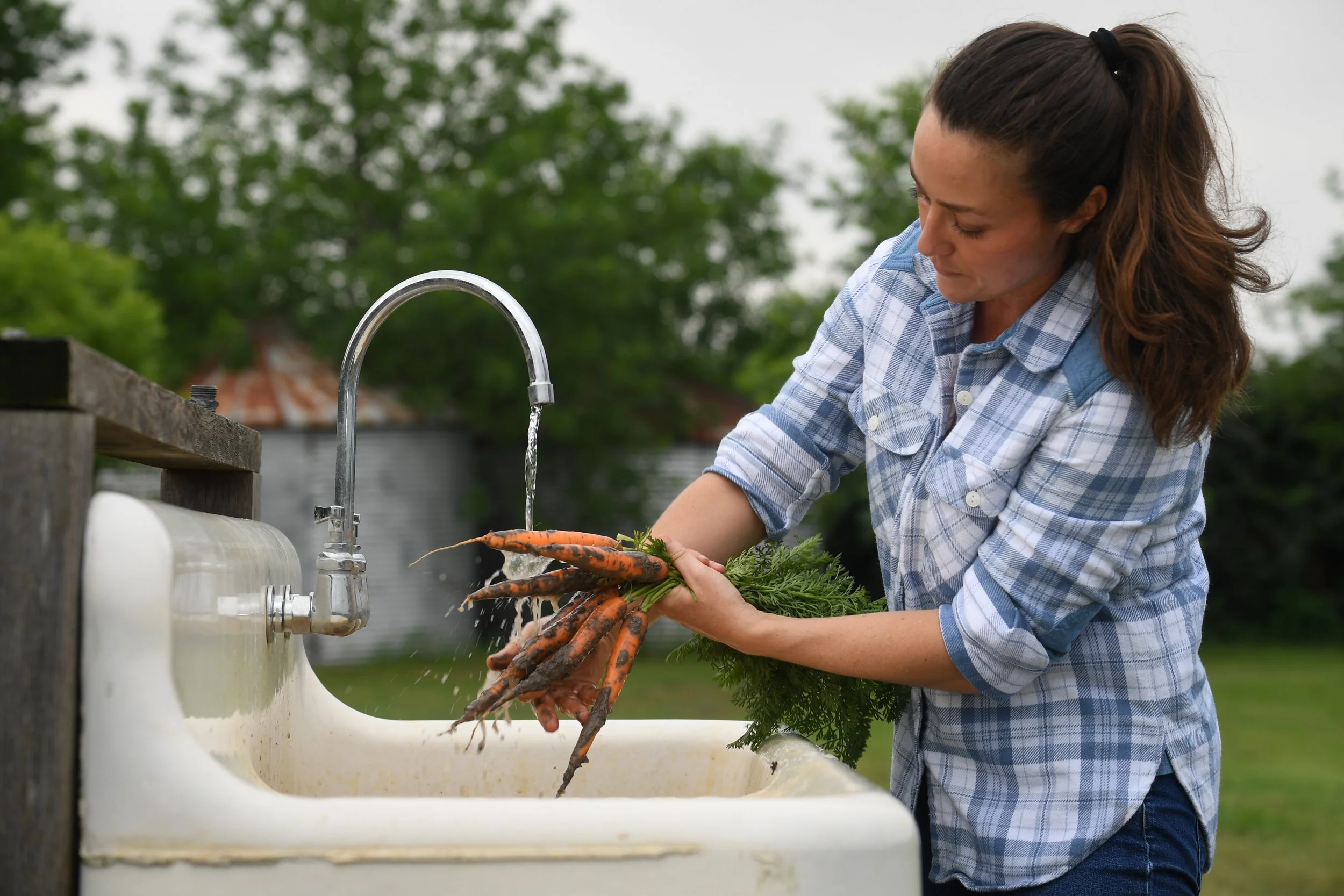
Eat Like a Farmer
Newsletter
Get Farmer Meg directly in your inbox by subscribing to my Substack newsletter, Eat More Local. That’s where I share seasonal recipes, farm stories, and my thoughts on all things regenerative agriculture.
Cookbook
My first cookbook, Eat Like A Farmer: The Guide to Sourcing and Cooking Real Food, will be released on March 9th, 2027 by Chelsea Green Publishing. Subscribe to know when presale begins!
Regen Ag
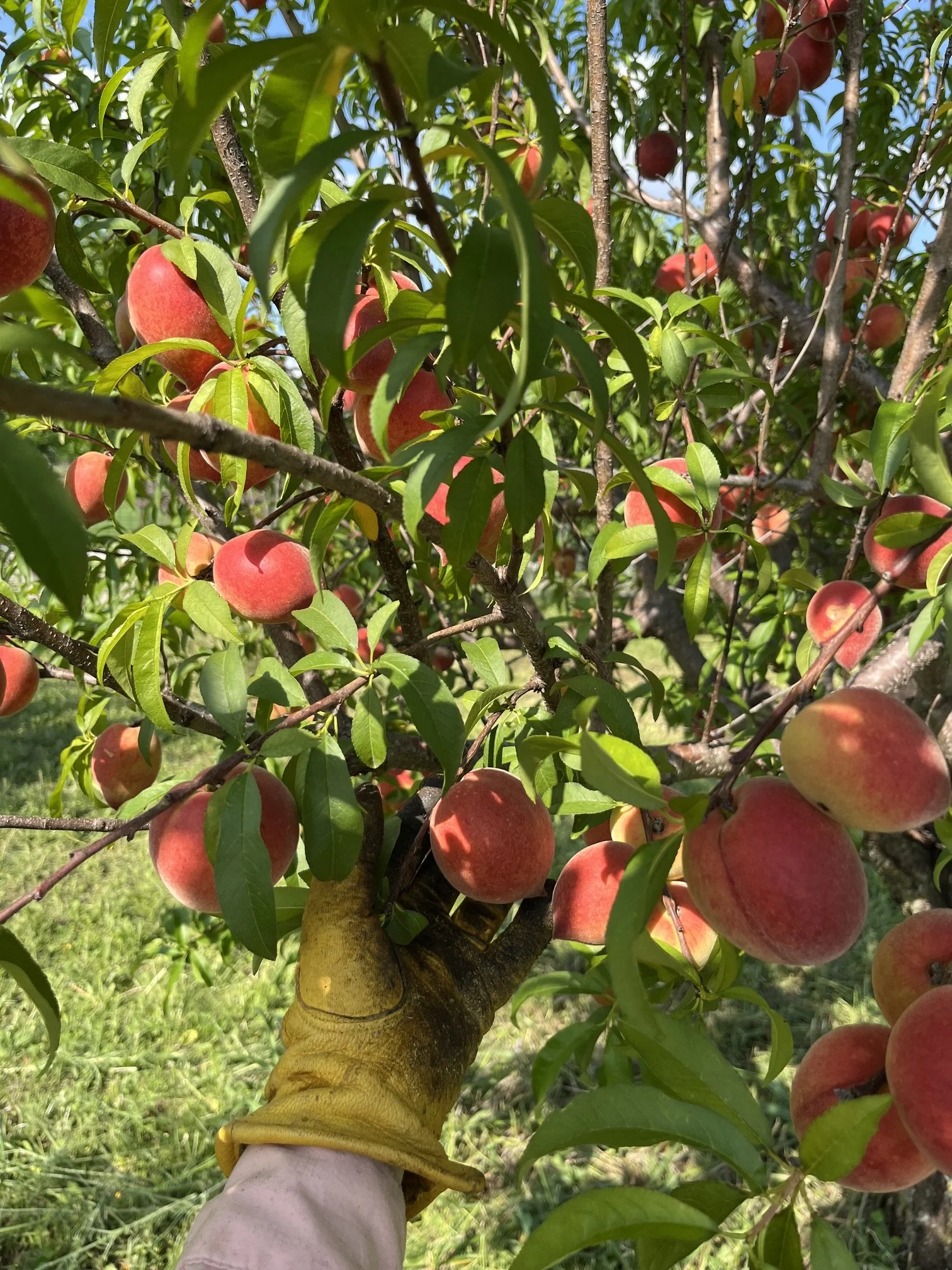
All food begins with agriculture.
Therefore, the way we do agriculture has a tremendous effect on the health of our soil, people, and environment. Choosing foods produced regeneratively optimizes nutrition, improves the health of our soils and waterways, provides higher standards of animal welfare, ensures fairness, and restores the climate to a healthier state.
While many argue about the specifics, these are a few generally agreed-upon principles of regenerative agriculture:
Maintain living roots, to provide habitat and food via root exudates for soil microbes
Keep soil covered, for protection from erosion, moisture loss, and damaging UV
Maximize biodiversity, because diverse ecosystems are healthier and more resilient than monocultures
Minimize soil disturbance, to avoid damaging soil structure for organisms and releasing soil-bound carbon as carbon dioxide
Find Your Farmer
Search your zip code on the USDA Local Food Portal and Local Harvest. Locally-owned farm-to-table restaurants that list supplier farms on their menus are another good source. But the very best way to find local farmers near you is to seek like-minded individuals in your community and find out where they shop. I’ve yet to be satisfied with any of the apps advertised for finding farmers (change my mind!).
My favorite DFW farmers markets:
Partnerships
I partner with food, kitchen, and consumer brands, farmers markets, and food-focused organizations whose products and values align with the way I farm, shop, cook, and eat.